The tradition I didn’t always love, but never left me.
Easter growing up in Cape Town, in a Coloured family(a South African cultural identity), meant one thing… pickled fish time. It wasn’t something we planned or questioned. It just arrived. And once it did, you knew Easter had officially started.
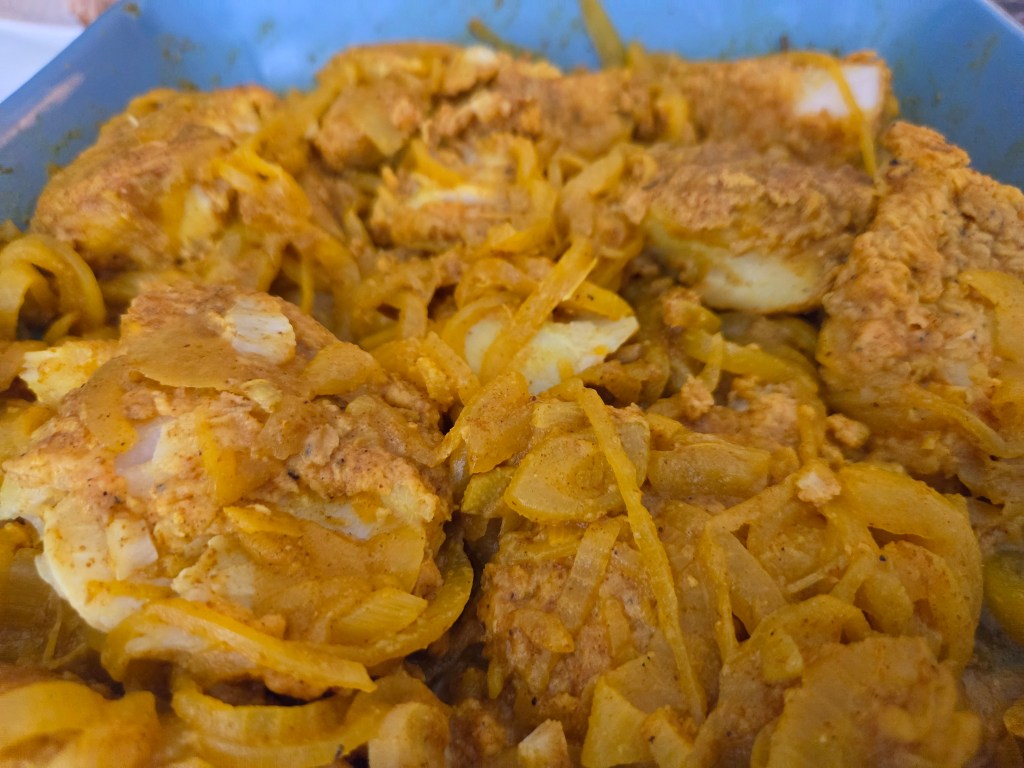
This was a tradition that lived deeply on my dad’s side. My grandparents, especially my Ma, were fully in it. My mom’s side didn’t really grow up with pickled fish, so it wasn’t something we did there. Over time, like many things in South Africa, it became something shared. That’s the thing about food. It moves, it blends, and before you know it, it becomes part of a bigger story. Now, pickled fish at Easter feels like a full South African tradition, not just a Cape Town one.
Let me be honest though. I’m not even a fish person. And somehow, Easter meant fish was all we had. Most Easter holidays were spent at my Ma and Pa’s house, and when I tell you there was no escaping it… there was no escaping it 😭
My Ma didn’t just make pickled fish. She prepared for it. Two weeks before Easter, the process would start. Big batches. Proper batches. Enough for my Pa not to complain, but he still did, because by Easter Monday, he was tapped out 😅
My older brother and I weren’t about to argue with our grandma, so we ate and kept it moving.
And everything, I mean everything, turned yellow. The turmeric and curry didn’t just stay in the pot. It lived everywhere. The fridge, the bowls, the spoons. Everything had that soft yellow tint. Looking back now, it’s actually kind of funny. At the time, it was just what it was.
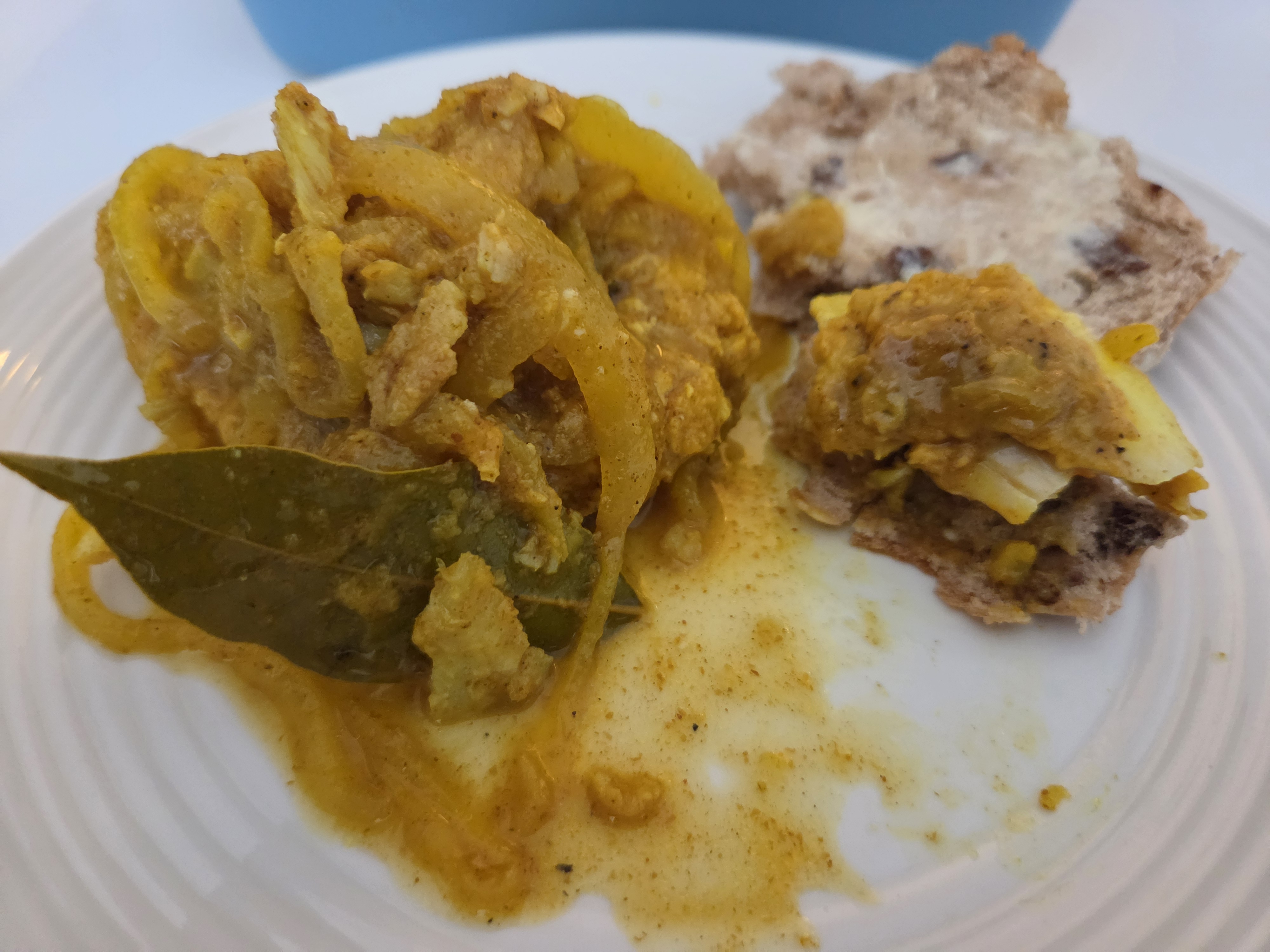
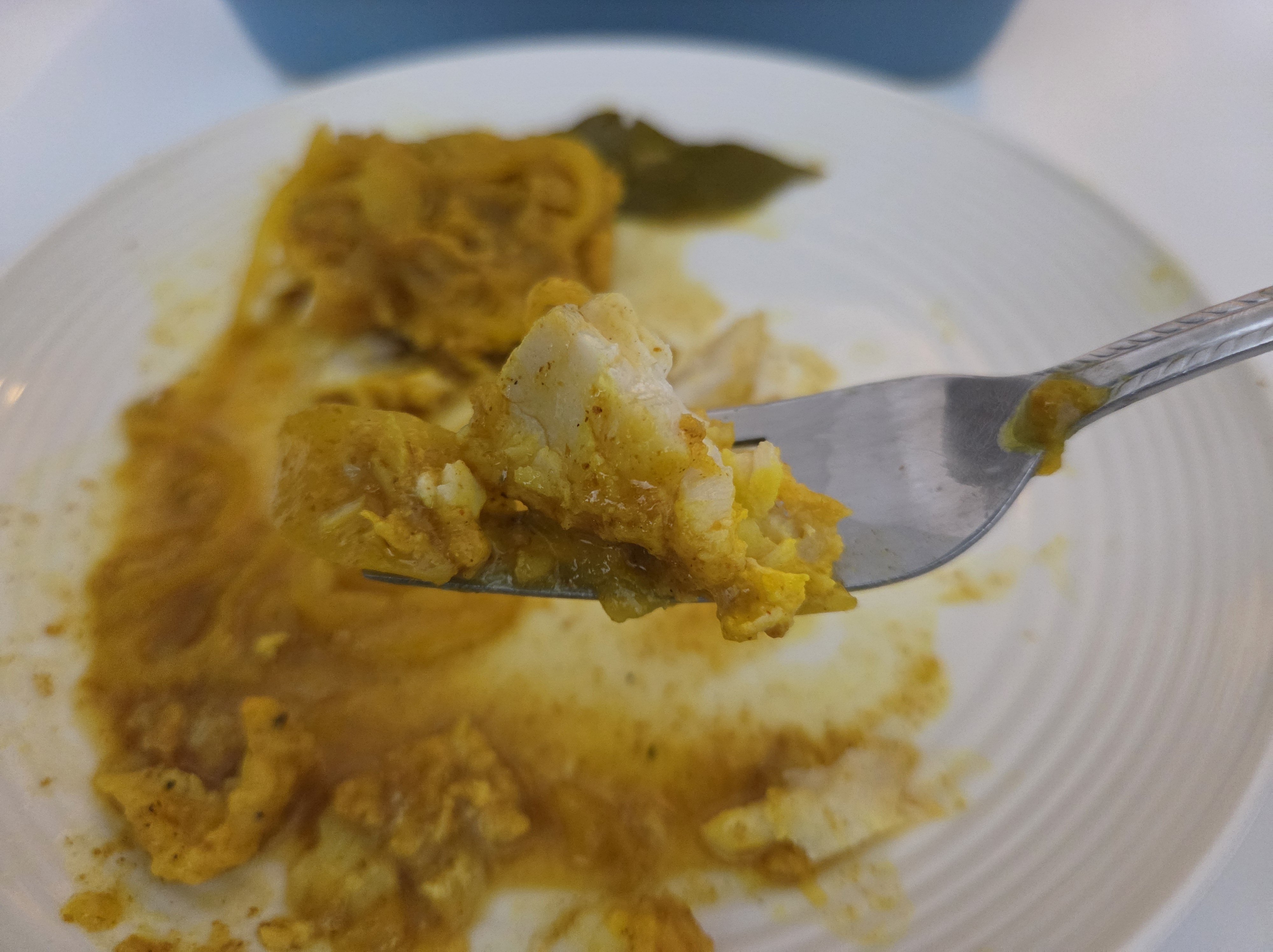
Pickled fish, or what many call ingelegde vis (the Afrikaans name for it), is essentially fried fish layered in a sweet, tangy, curry-spiced vinegar sauce with onions, then left to rest for a day or two.
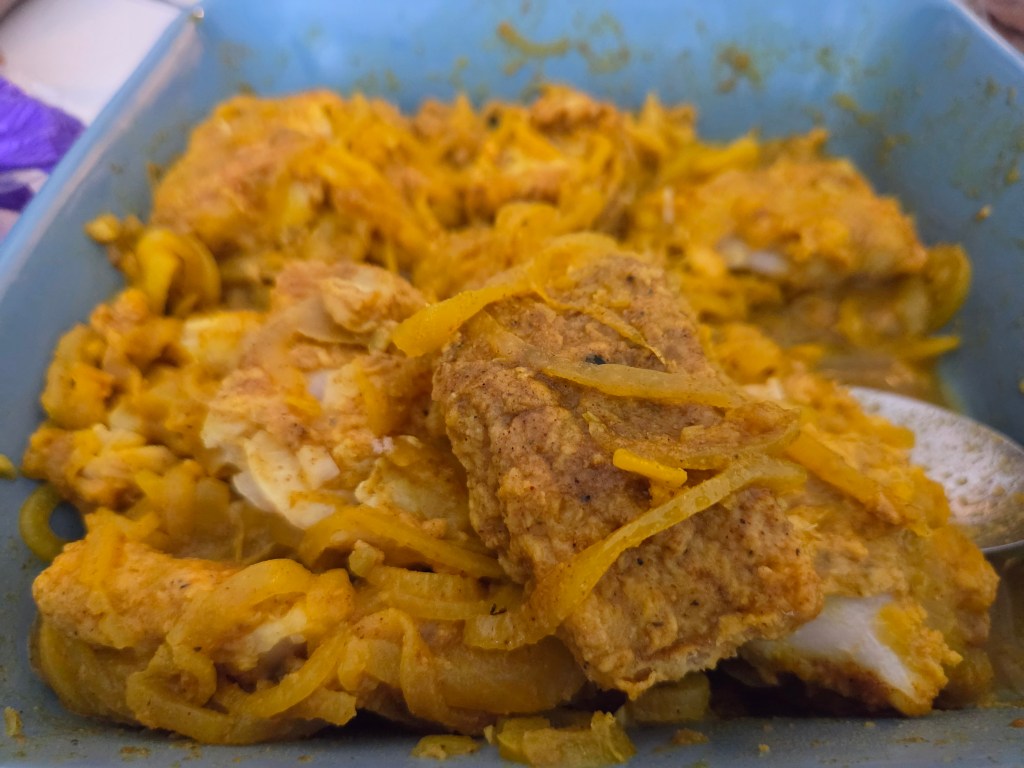
But it’s more than just a dish. It carries history.
It comes from Cape Malay cuisine, rooted in Cape Town, shaped by the influence of enslaved Southeast Asian people brought to the Cape in the 17th and 18th centuries. They brought with them not just spices, but ways of cooking, preserving, and building flavour over time.
Pickling fish in vinegar wasn’t just about taste. It was about survival. Before refrigeration, this method allowed fish to last for days, even longer, while developing deeper flavour the longer it sat. That balance of sweet, sour, and spice became something distinct. Something that would eventually define Cape Malay cooking.
There’s also a reason it’s tied to Easter.
During Lent, many Christians traditionally avoided eating meat, especially on Fridays and leading up to Easter. So fish became the go-to. It was simple, accessible, and aligned with the season.
But in Cape Town, it became something more than just a substitution.
Because the fish wasn’t just cooked and eaten. It was prepared ahead of time. Left to sit. Left to develop. By the time Good Friday arrived, it was ready. Cold, flavourful, and fully infused.
And that’s how it became part of the Easter table. Not rushed. Not last-minute. Something that carried time in it.
Now I’m married to someone who is fully into the tradition, and it has changed how I see it. It is no longer just something I grew up with. It is something we are choosing to continue. We have a little one, and there is something important about her knowing this part of her roots. Where she comes from. What Easter looks like for us. Even if she grows up somewhere else, this is part of her story.
So this year, I made it myself. Not perfectly, not exactly how my Ma did it, but in my own way, working with what I had and figuring it out as I went.
👩🏽🍳 How I made my pickled fish
I kept it simple and real. Nothing fancy, just what I had in the kitchen.
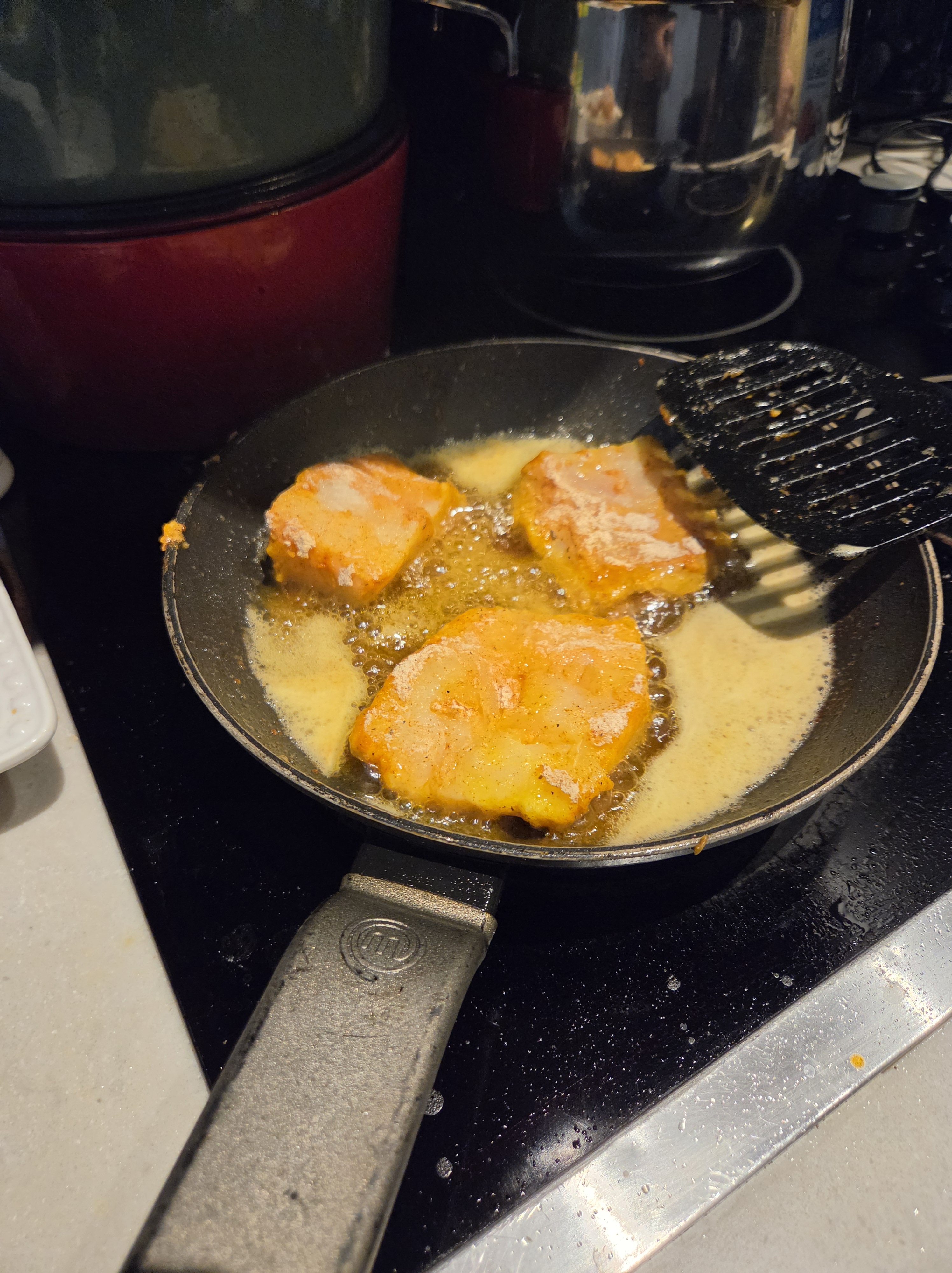
For the fish, I used a few pieces of white fish, coated them in flour seasoned with salt and pepper, and fried them until golden. That part alone already smelled like Easter.
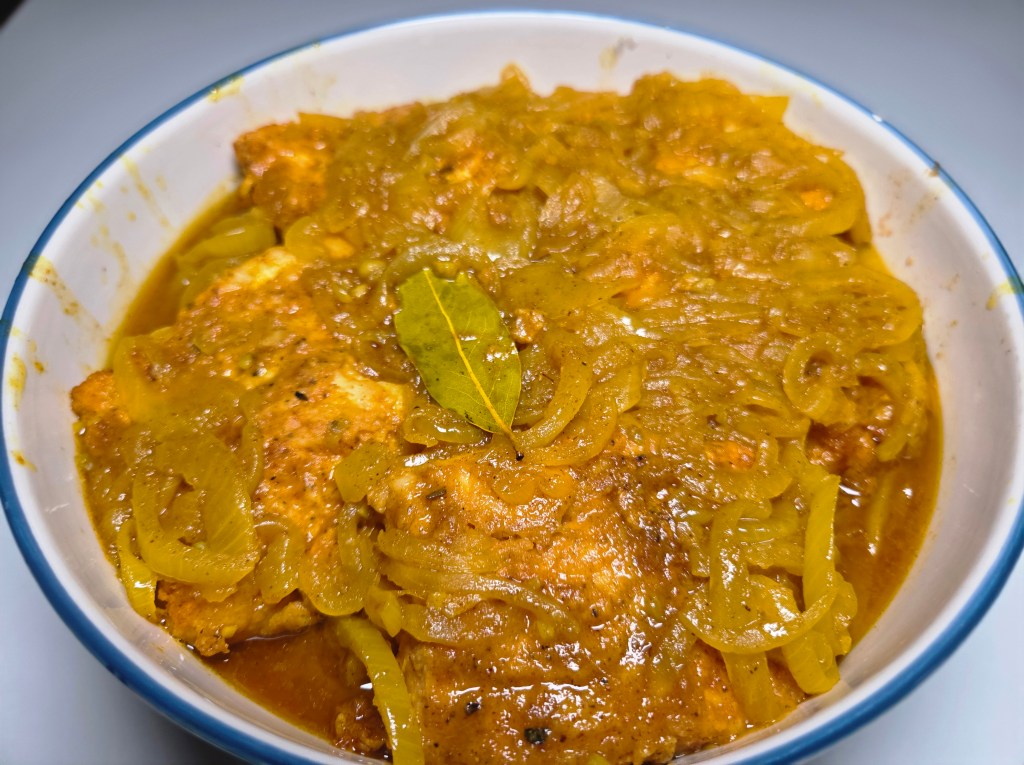
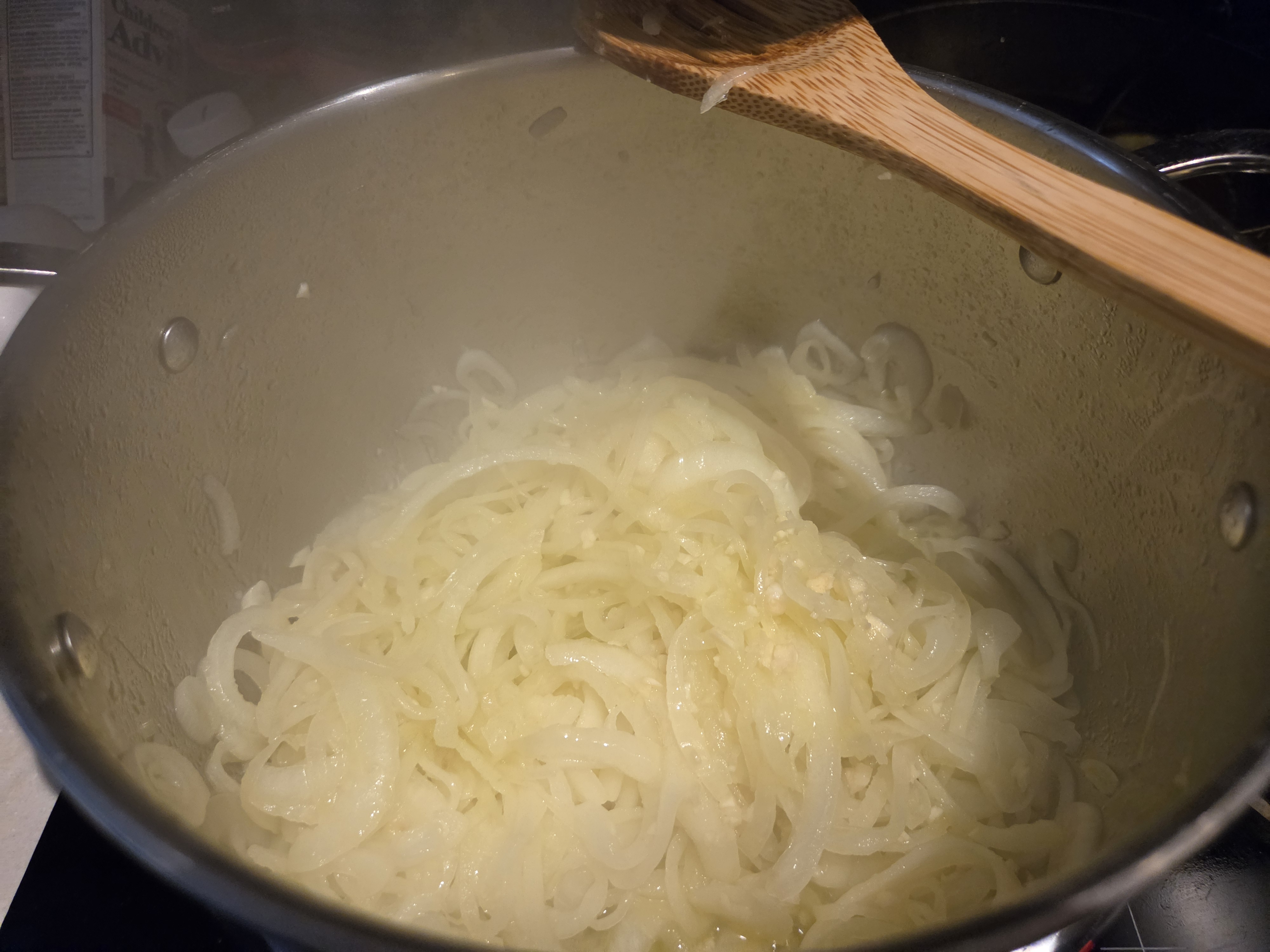
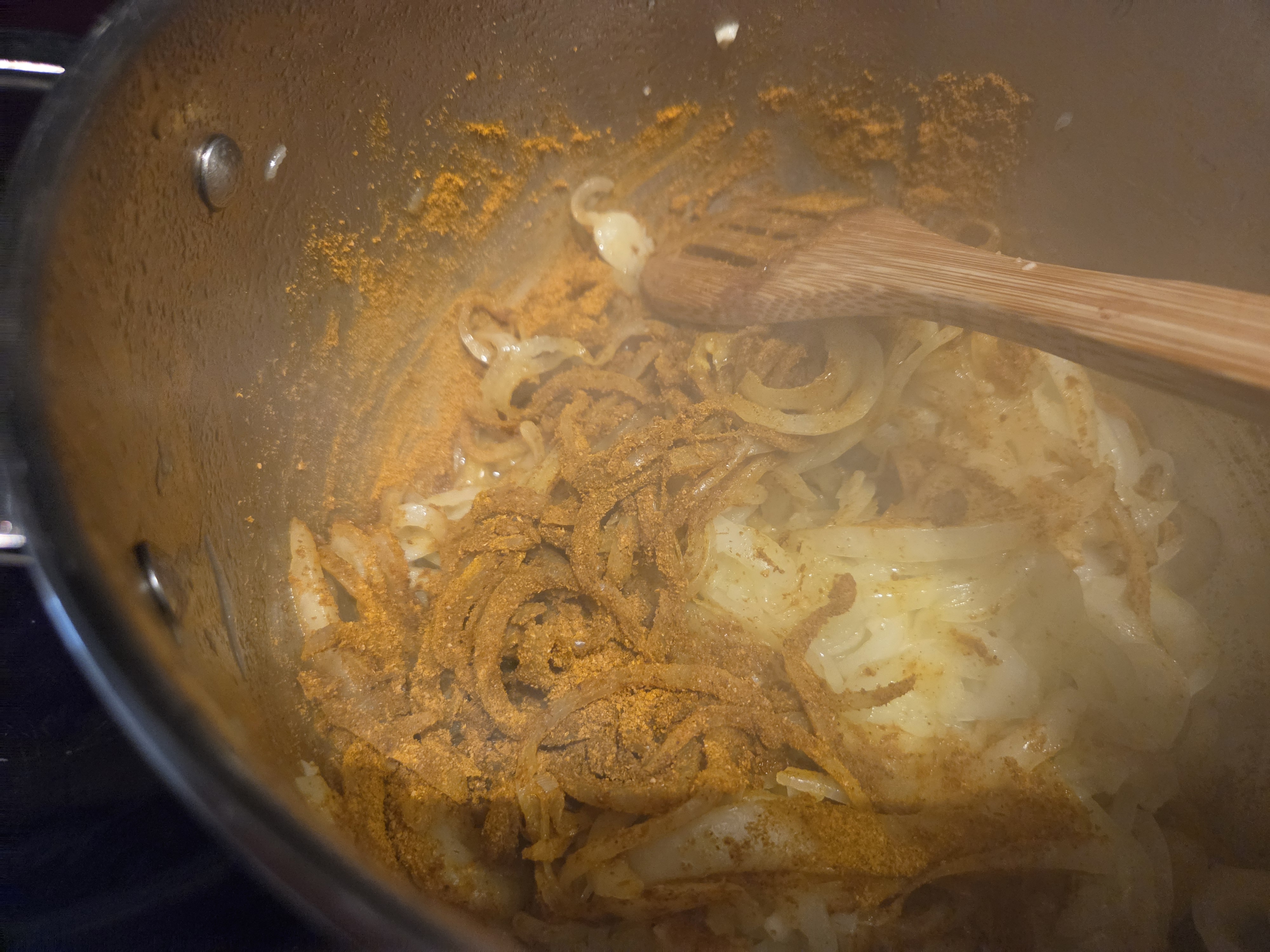
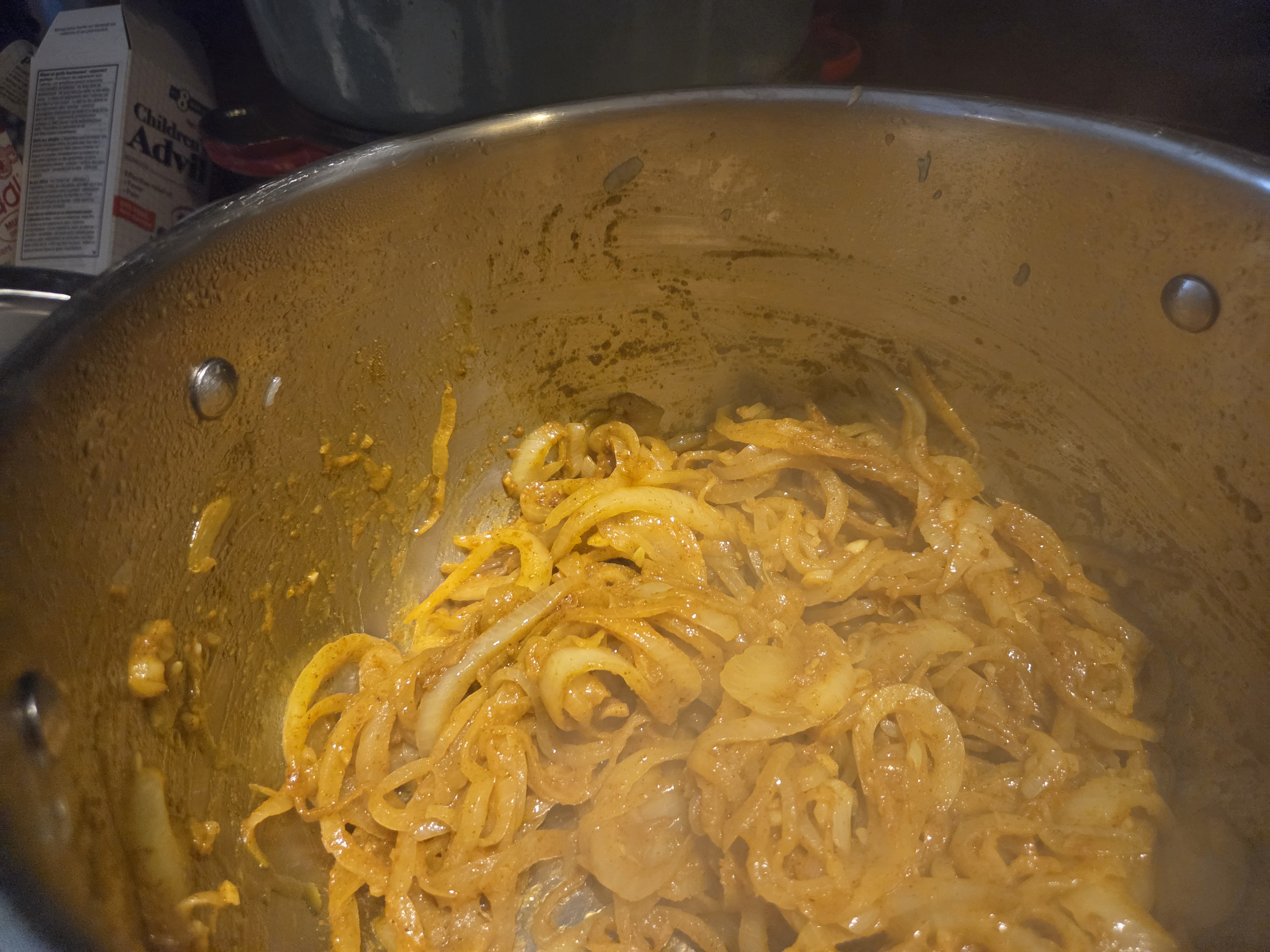
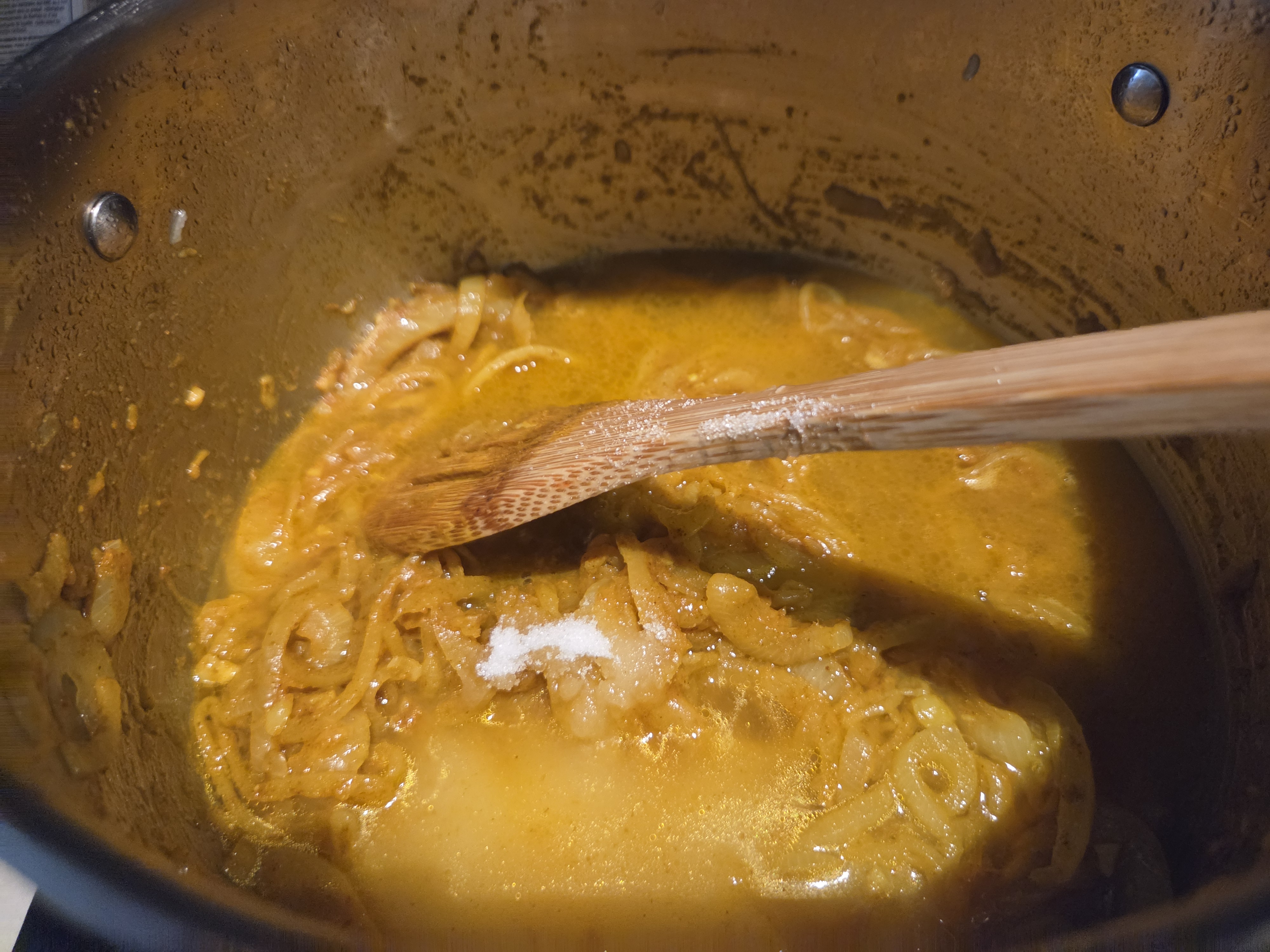
For the sauce, I sautéed sliced onions until soft, added garlic, curry powder, turmeric and cumin, and let everything bloom. Then I added vinegar, water, sugar and bay leaves, and let it simmer until the balance felt right. That mix of sweet, tangy and gently spiced.
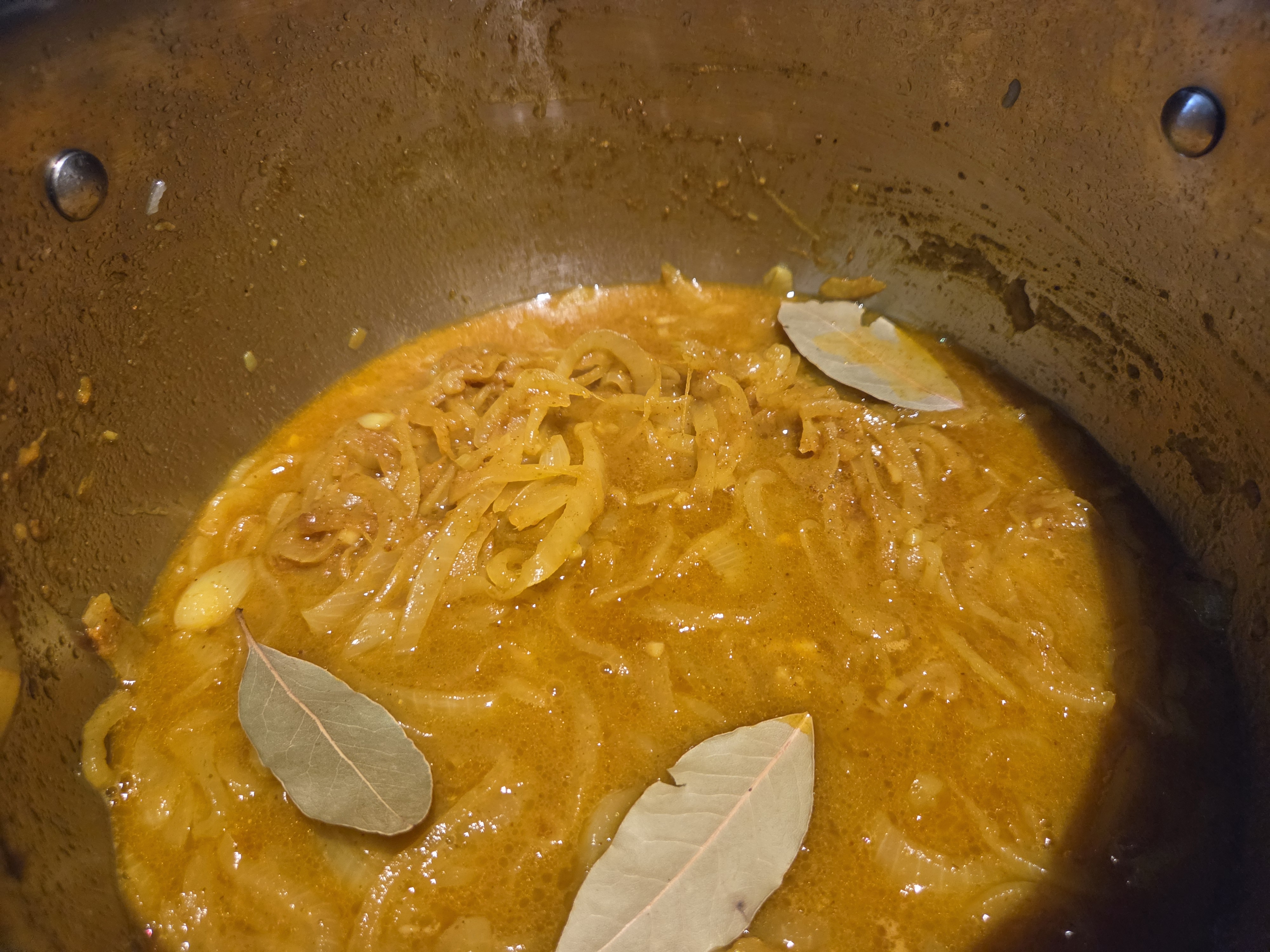
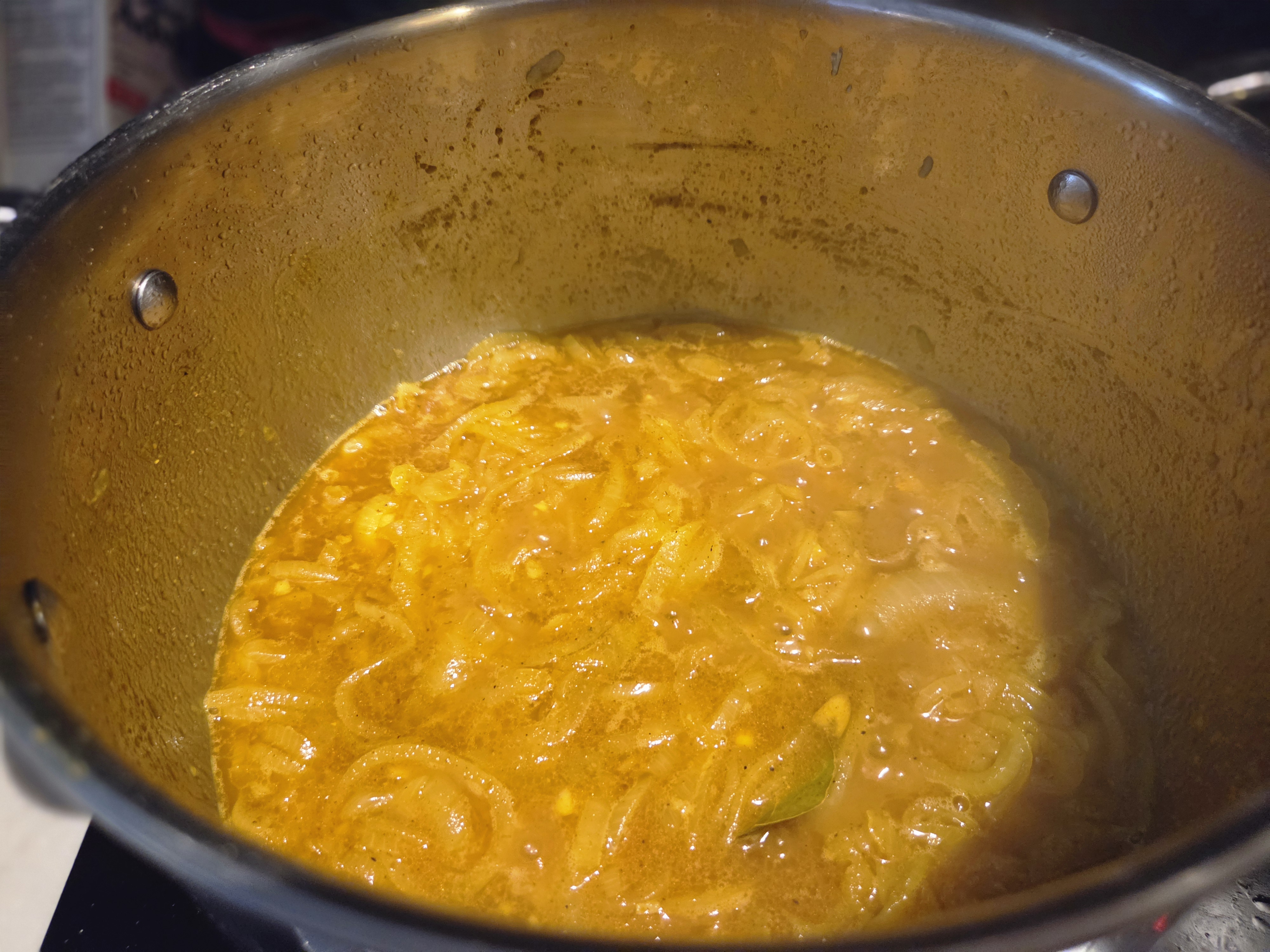
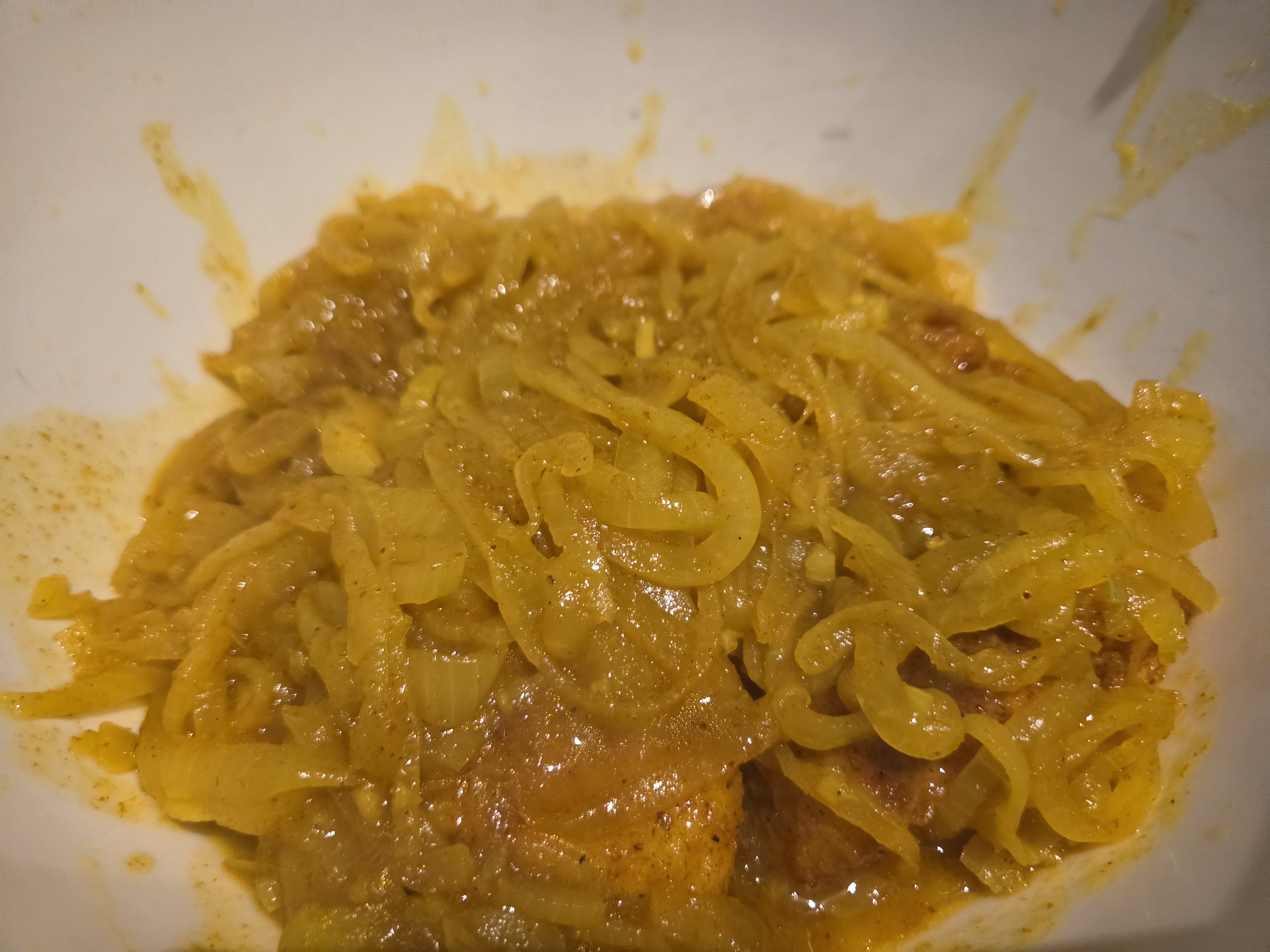
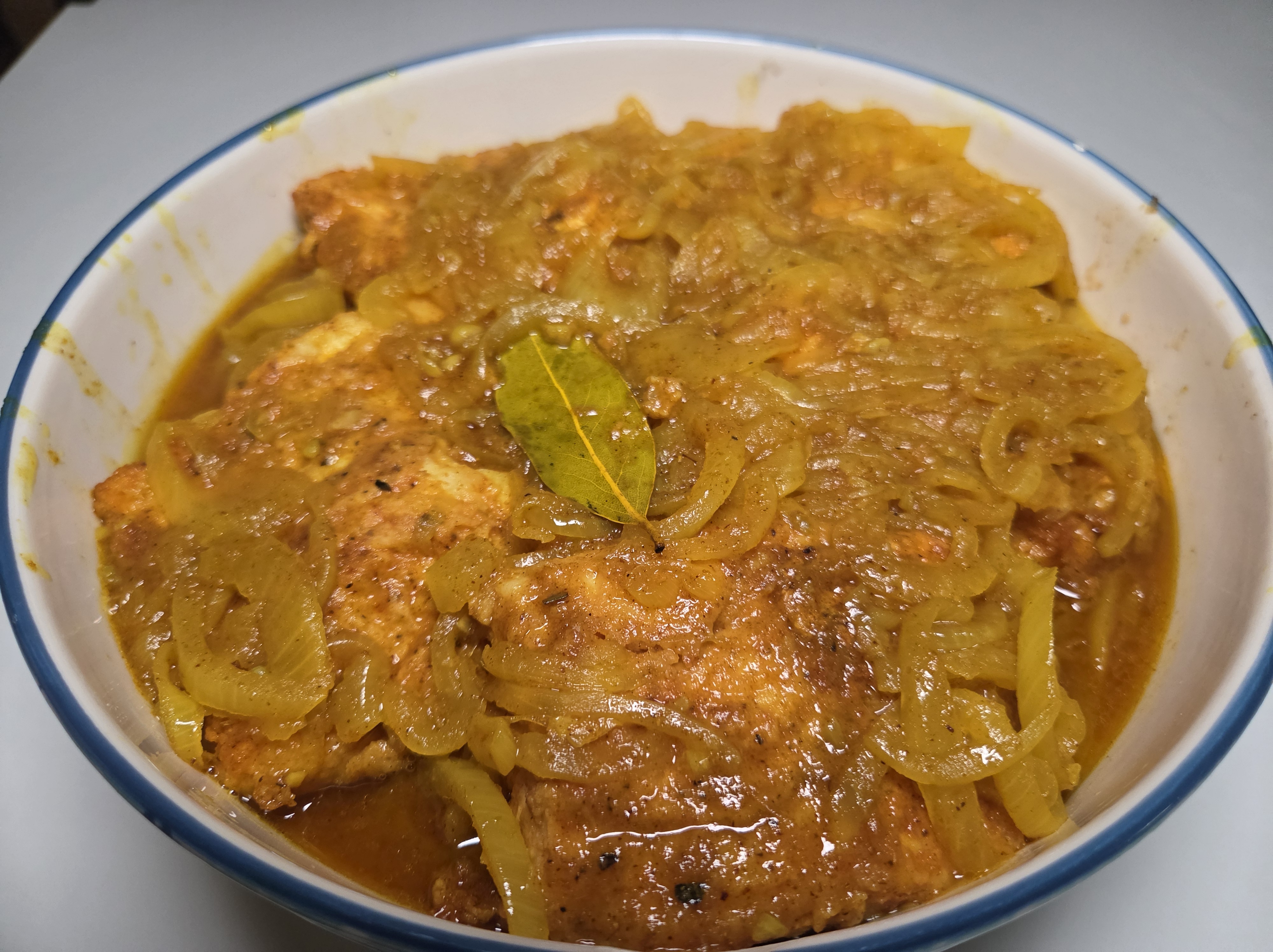
We normally keep it in the refrigerator for a few days before Easter, just to make sure the fish really gets infused with that tangy, sweet sauce.
And honestly, that’s when it’s at its best.
And of course, you can’t talk about pickled fish without mentioning the combo.
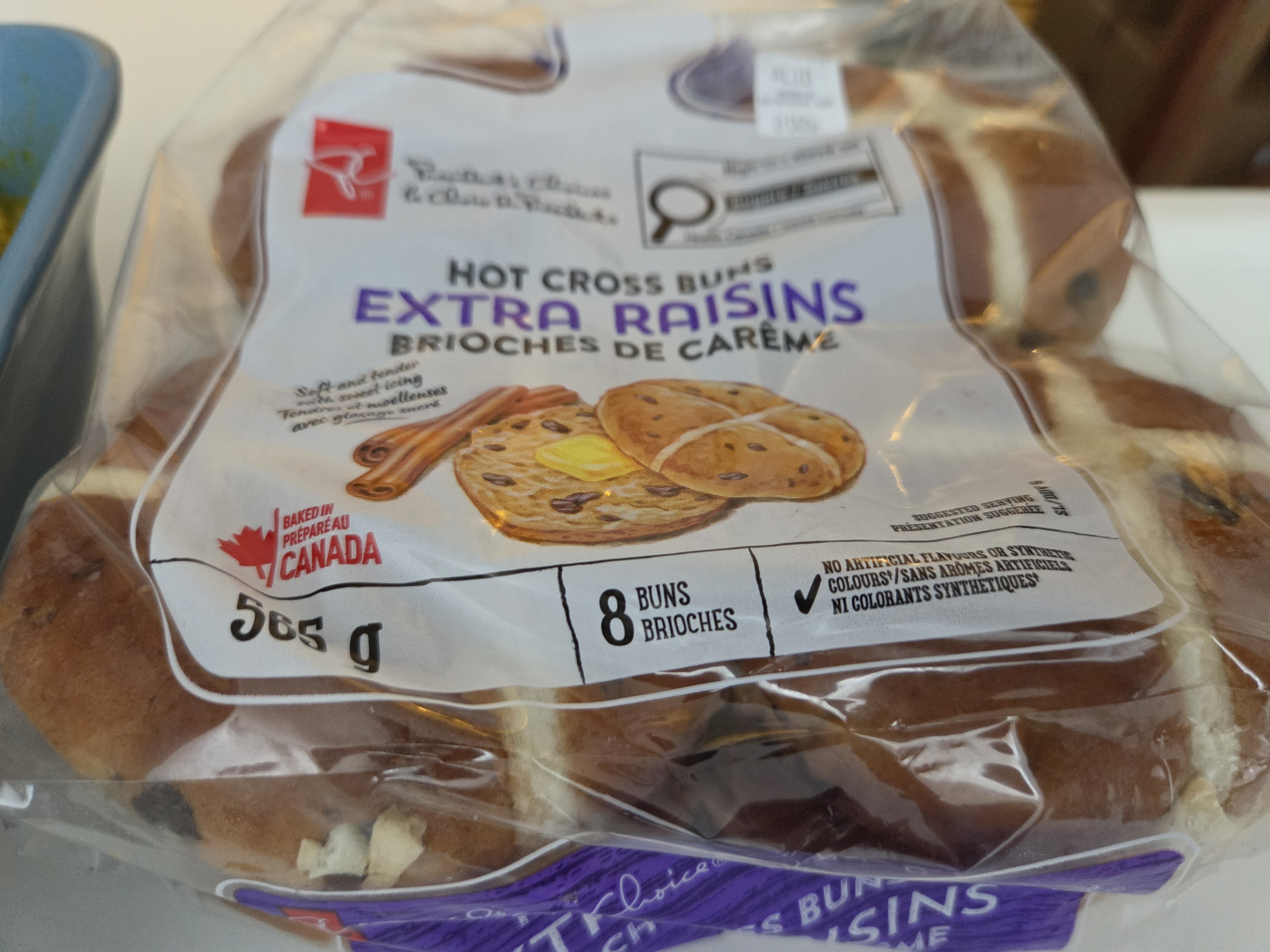
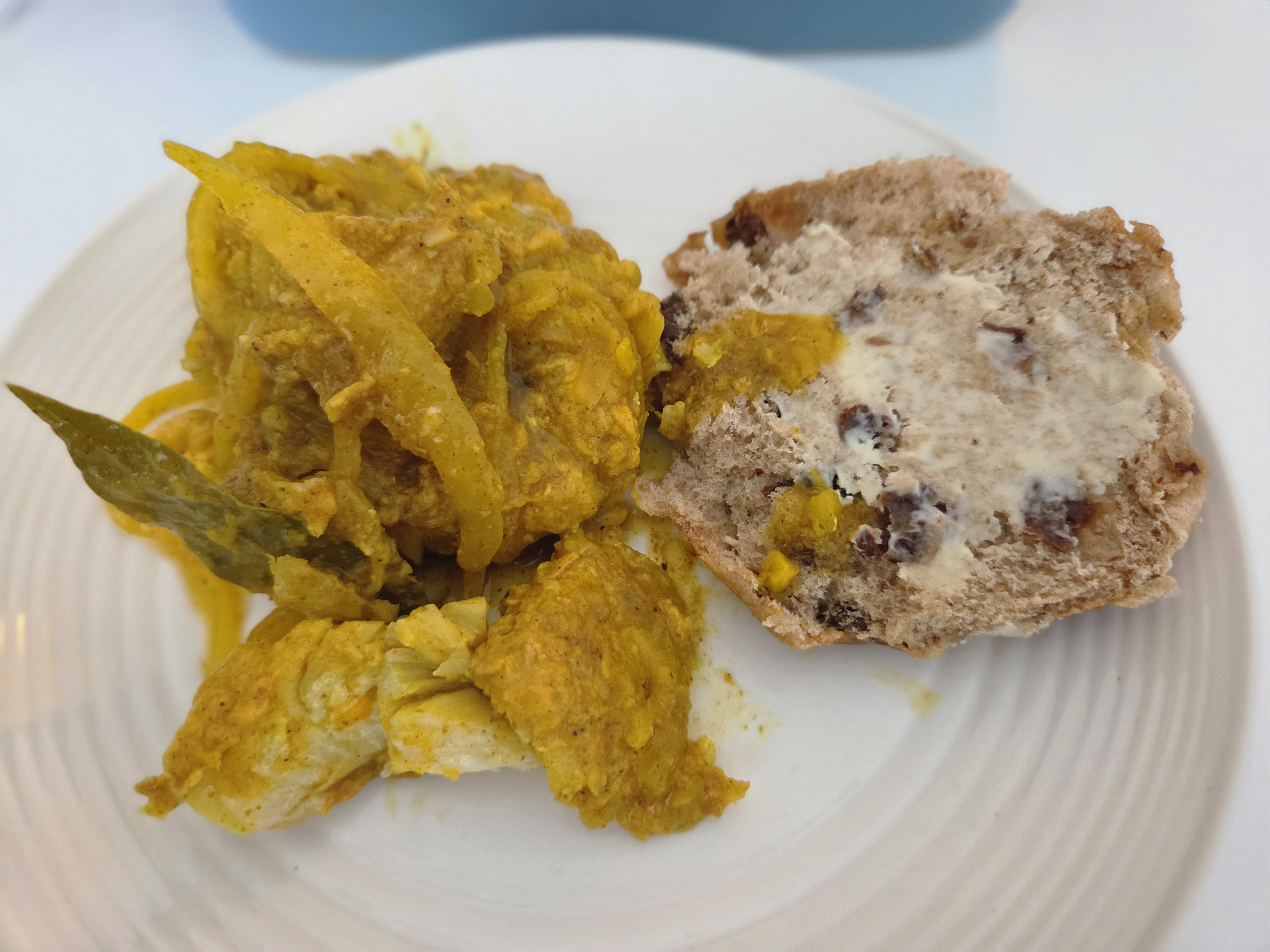
Pickled fish with hot cross buns. It sounds like it shouldn’t work, but it does. That soft, slightly sweet, spiced bun with the tangy, curry-soaked fish and onions. It is the perfect balance. Sweet, tangy, spiced. It just makes sense when you eat it.
Looking back now, I didn’t love the fish growing up. But I loved everything around it. The build-up, the smells, my Ma doing things her way, my Pa commenting from the side, the feeling of being part of something bigger than just a meal, and now, I get it.
Because it was never just about the fish. It was always about tradition.
 CocoaGirlinToronto